 Passer au contenu










































Comment préparer votre maison à un blizzard

Les blizzards n'attendent pas d'invitation, ils arrivent sans prévenir, semant le chaos sur leur passage. Des pannes de courant aux tuyaux gelés, en passant par les routes bloquées et les conditions de voile blanc, un blizzard peut transformer une journée ordinaire en un défi de survie en quelques heures. La bonne nouvelle ? Préparer votre maison à l'avance peut réduire considérablement le stress, protéger vos proches et prévenir des dommages coûteux.
Considérez ce guide comme votre compagnon de confiance, un plan étape par étape pour vous aider à vous sentir calme, confiant et prêt à affronter le pire temps hivernal. Avec des conseils pratiques, une liste de contrôle complète et des stratégies intelligentes avant, pendant et après la tempête, vous serez prêt à affronter n'importe quel blizzard de front.
Pourquoi la préparation est importante
Les blizzards sont plus que de fortes chutes de neige. Ils apportent un froid extrême, des vents violents, une visibilité nulle et des pannes de courant prolongées. Lorsque les routes sont fermées et les services publics hors service, une maison bien préparée peut faire la différence entre l'inconfort et la sécurité.
Voici pourquoi la préparation au blizzard est essentielle :
-
Pannes de courant : Elles peuvent durer de quelques heures à plusieurs jours, laissant les maisons sans chauffage et transformant rapidement les espaces intérieurs en zones glaciales.
-
Fermetures de routes : Les routes impraticables peuvent retarder les services d'urgence, les livraisons et les efforts de sauvetage.
-
Tuyaux gelés : Les tuyaux non isolés risquent de geler ou d'éclater, causant d'importants dégâts des eaux.
-
Détérioration des aliments : Les pannes de courant peuvent entraîner la détérioration des aliments, ajoutant un stress inutile pendant une période déjà difficile.
-
Pannes de communication : Les pannes de réseau peuvent rendre plus difficile l'obtention de mises à jour ou l'appel à l'aide lorsque vous en avez le plus besoin.
Préparer votre maison n'est pas seulement pratique, c'est aussi stimulant. Avec un peu de temps et d'efforts, vous pouvez transformer votre pièce en un sanctuaire pour l'hiver. Le meilleur ? Vous pouvez réaliser la plupart de ces préparations en un seul week-end.
Étape 1 : Surveiller et planifier à l'avance
✔ Créer un plan de communication et d'évacuation
-
Décidez où votre foyer ira si une évacuation devient nécessaire, comment vous y rendrez et qui sont vos contacts d'urgence.
-
Gardez une liste de numéros de téléphone importants, une radio à piles et une batterie externe entièrement chargée à portée de main.
-
Restez informé via les agences locales et les services météorologiques. Si un avertissement de blizzard est émis, suivez immédiatement les directives locales.
✔ S'inscrire aux alertes d'urgence
-
Restez connecté aux mises à jour en temps réel en vous abonnant aux alertes d'urgence locales, en surveillant le Service météorologique national et en suivant les avis de voyage.
-
La plupart des blessures et des sauvetages liés aux blizzards se produisent lorsque les gens tentent de voyager dans des conditions dangereuses.
Étape 2 : Préparer votre maison pour le froid
✔ Isoler et sceller votre maison
-
Bloquez les courants d'air autour des portes et des fenêtres avec des coupe-froid, des balais de porte ou des serviettes roulées.
-
Fermez les contre-fenêtres ou utilisez un film plastique pour minimiser les pertes de chaleur. Isolez les tuyaux exposés dans les zones non chauffées pour éviter le gel et l'éclatement.
✔ Protéger votre plomberie
-
Ouvrez les portes des armoires sous les éviers pour permettre à l'air chaud de circuler autour des tuyaux.
-
Laissez les robinets goutter lentement si les températures s'approchent de zéro pour éviter l'accumulation de pression.
-
Si vous quittez votre domicile pendant une période prolongée, coupez la vanne d'eau principale et vidangez les tuyaux pour éviter les ruptures catastrophiques.
✔ Assurer la sécurité du chauffage
-
Si vous utilisez un poêle à bois, un poêle à granulés ou un radiateur diesel portable, suivez toutes les consignes de sécurité et assurez-vous que les détecteurs de monoxyde de carbone (CO) sont installés et fonctionnent (avec des batteries de secours).
-
N'utilisez jamais de barbecues extérieurs, de réchauds de camping ou de fours pour le chauffage intérieur, car ils peuvent produire du monoxyde de carbone mortel.
Étape 3 : Rester alimenté pendant les pannes
Les pannes de courant sont fréquentes pendant les blizzards, mais avec les bonnes préparations, vous pouvez rester confortable et en sécurité.
✔ Pannes courtes
-
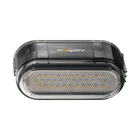
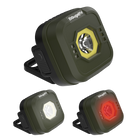
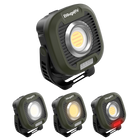
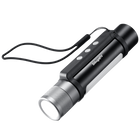
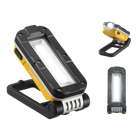
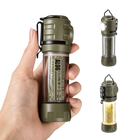
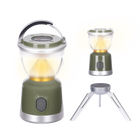
Gardez des lampes de poche, des lampes frontales, des piles de rechange et des banques d'alimentation prêtes.
-
Utilisez des lumières LED à faible consommation et gardez votre générateur portable pour les pannes plus longues.
✔ Pannes plus longues
-
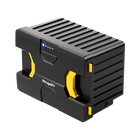
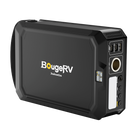
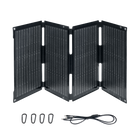
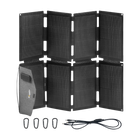
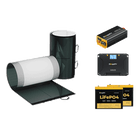
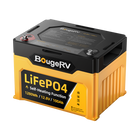
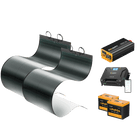
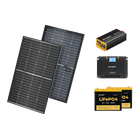
Investissez dans une station d'énergie portable avec un kit de panneaux solaires pour maintenir les téléphones, les radios et les appareils médicaux en marche pendant des jours.
-
Utilisez votre véhicule comme source de charge de secours avec un chargeur d'alternateur DC-DC (mais uniquement dans des zones bien ventilées).

✔ Garder votre réfrigérateur en marche
-
Minimisez l'ouverture du réfrigérateur ou du congélateur pour préserver les aliments.
-
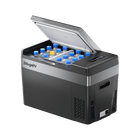
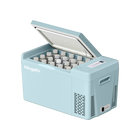
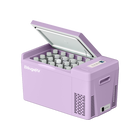
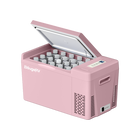
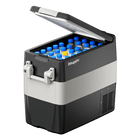
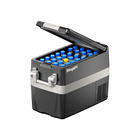
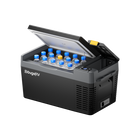
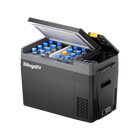
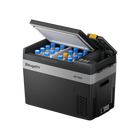
Pour les pannes prolongées, envisagez un réfrigérateur portable 12V à faible consommation. Ces unités compactes sont parfaites pour garder les médicaments, le lait maternisé et les denrées périssables en sécurité tout en utilisant beaucoup moins d'énergie qu'un réfrigérateur standard.

Étape 4 : Construire un kit anti-blizzard
Un kit d'urgence bien approvisionné est votre meilleure défense contre les tempêtes hivernales. Préparez-vous au minimum à 72 heures d'autonomie, mais si vous vivez dans une zone éloignée ou à fort impact, visez une semaine.
✔ Nourriture et eau
-
Stockez au moins trois jours de vivres non périssables par personne (conserves, mélanges secs, barres énergétiques).
-
Faites tourner les provisions régulièrement.
-
Stockez un gallon d'eau par personne et par jour pour la boisson et l'hygiène (plus si vous avez des animaux de compagnie ou des besoins médicaux).
✔ Chaleur et abri

-
Préparez des couvertures chauffantes, des sacs de couchage adaptés aux basses températures, des vêtements supplémentaires, des chapeaux, des mitaines et des chauffe-mains.
-
Utilisez des radiateurs à piles ou à manivelle et assurez-vous d'avoir un moyen fiable de recharger les piles (panneaux solaires + station d'alimentation).
✔ Sécurité et santé
-
Gardez une trousse de premiers secours, un mois de médicaments sur ordonnance et des copies de documents importants. Incluez une liste des conditions médicales et des dosages dans votre trousse.
✔ Outils et fournitures
-
Stockez des pelles, du dégivreur ou du sable, des sangles de remorquage, des câbles de démarrage, un multi-outil, du ruban adhésif et de la corde. Ayez une radio à manivelle ou à piles pour les mises à jour en cas de panne de service cellulaire.
✔ Kit d'urgence pour véhicule
-
Emportez des vêtements chauds supplémentaires, des couvertures, une pelle, des collations, de l'eau et une batterie externe entièrement chargée.
-
Gardez toujours votre réservoir d'essence plein lorsqu'une tempête est prévue.
Étape 5 : Que faire pendant le blizzard
-
Restez à l'intérieur et au chaud.
-
Économisez l'énergie en fermant les pièces inutilisées pour concentrer la chaleur.
-
Gardez les téléphones chargés pour rester connecté.
-
Surveillez les appareils de chauffage pour vous assurer qu'ils sont utilisés en toute sécurité et ventilés correctement.
-
Si vous devez voyager, informez quelqu'un de votre itinéraire et de l'heure de retour prévue.
Étape 6 : Après la tempête
-
Rendez visite à vos voisins, en particulier les personnes âgées ou celles ayant des besoins médicaux.
-
Signalez les lignes électriques tombées aux autorités ; supposez toujours qu'elles sont sous tension.
-
Inspectez votre maison pour les barrages de glace, les dommages au toit et les fuites d'eau.
-
Reconstituez votre kit de catastrophe et notez ce qui a bien fonctionné et ce qui n'a pas fonctionné pour les futures tempêtes.
Je suis si heureux que nous ayons atteint la fin de ce voyage ensemble ! Nous avons fait de petits pas en avant, et cela nous a donné à tous un sentiment de calme et de paix.
Conclusion
Préparer votre maison à un blizzard n'a pas besoin d'être accablant. En protégeant votre maison des intempéries, en stockant un kit de prévention des catastrophes et en investissant dans des équipements intelligents comme des stations d'énergie portables ou des réfrigérateurs écoénergétiques, vous pouvez affronter les tempêtes hivernales en toute confiance. Restez informé, suivez les consignes de sécurité locales et agissez dès maintenant pour réduire le stress et rester en sécurité lorsque la neige commence à tomber. Utilisez le code de réduction limité dans le temps "SEOBF" pour bénéficier d'une remise supplémentaire de 6 % sur tout le site !
FAQ
Q1 : Combien de temps durent habituellement les blizzards ?
R : Les blizzards durent généralement de 3 à 12 heures, mais les tempêtes hivernales sévères peuvent persister pendant des jours, laissant derrière elles des conditions dangereuses comme la glace et les congères. Préparez-vous toujours à une durée plus longue que celle prévue.
Q2 : Les panneaux solaires peuvent-ils fonctionner pendant un blizzard ?
R : Oui, les panneaux solaires peuvent toujours produire de l'énergie, bien que de fortes chutes de neige et une couverture nuageuse réduiront leur rendement. L'association de panneaux solaires avec une station d'énergie portable ou une batterie externe vous permet de stocker de l'énergie à l'avance pour l'utiliser pendant la tempête.
Q3. Combien de jours de nourriture et d'eau dois-je stocker ?
R : Les experts recommandent au moins 72 heures (3 jours) de nourriture non périssable et d'eau par personne. Dans les zones rurales ou les zones sujettes aux tempêtes, prévoyez une semaine de provisions.
Q4. Comment puis-je préparer mon système de chauffage ?
R : Vérifiez votre fournaise avant l'hiver, remplacez les filtres à air et dégagez les bouches d'aération. Pendant un blizzard, fermez les pièces inutilisées et gardez à portée de main des équipements de chauffage d'urgence comme des couvertures et des radiateurs sûrs pour l'intérieur.


