 Passer au contenu

























































Que signifie Ah sur une batterie ?

Si vous avez déjà acheté une batterie pour votre VR, votre système solaire, votre bateau, votre voiturette de golf ou d’autres applications, vous avez probablement rencontré des termes comme 50 Ah, 100 Ah ou 200 Ah. Mais que signifie réellement Ah sur une batterie et pourquoi est-ce important ? Comprendre ce concept est crucial pour choisir la bonne solution d’alimentation pour vos besoins.
Que signifie Ah sur une batterie ?
Ah signifie Ampère-heure, une unité de mesure de la capacité de charge d’une batterie. En termes simples, cela vous indique la quantité de charge électrique que la batterie peut stocker et délivrer au fil du temps. Considérez-le comme la taille du réservoir de carburant d’une voiture — plus le réservoir (Ah) est grand, plus la voiture (ou vos appareils) peut rouler longtemps avant d’avoir besoin d’un remplissage (ou d’une recharge).
Voici comment ça marche :
- 1 Ah signifie que la batterie peut fournir 1 ampère de courant pendant 1 heure.
- 10 Ah signifie que la batterie peut fournir 10 ampères pendant 1 heure ou 1 ampère pendant 10 heures.
- De même, une batterie de 100 Ah peut délivrer 10 ampères pendant 10 heures ou 20 ampères pendant 5 heures dans des conditions idéales.
Ampères-heures vs. Milliampères-heures (mAh)
Pour les batteries plus grandes, telles que celles utilisées dans les VR, les bateaux ou les installations solaires, la capacité est généralement mesurée en Ah. Pour les appareils plus petits comme les smartphones, les tablettes ou les appareils électroniques portables, la capacité est mesurée en mAh (milliampères-heures), ce qui correspond à 1/1000e d’un Ah. Par exemple :
-
1 Ah = 1 000 mAh
Si vous comparez des batteries pour différents appareils, gardez cette conversion à l’esprit.
Comment fonctionne réellement l’Ah
Supposons que vous ayez une batterie de 100 Ah. Qu’est-ce que cela signifie en termes pratiques ?
-
Si vous tirez 10 ampères en continu, la batterie devrait durer environ 10 heures (100 Ah ÷ 10 A).
-
Si vous tirez 5 ampères, elle devrait durer 20 heures.
-
Tirer 20 ampères réduirait l’autonomie à environ 5 heures.
Cependant, les performances réelles peuvent varier en raison de facteurs tels que la température, le taux de décharge et l’efficacité énergétique.
Ce que l’Ah vous dit sur la capacité de la batterie
Il est important de noter que l’Ah mesure la capacité, pas la puissance. Voici la différence :
-
Tension (V) : Mesure la force électrique disponible.
-
Ampérage (A) : Mesure le débit de courant.
-
Ampères-heures (Ah) : Mesure la quantité totale de courant pouvant circuler au fil du temps.
Pour calculer l’énergie totale, vous aurez besoin de watts-heures (Wh), qui est déterminé en multipliant Ah par la tension :
Wh = Ah × Tension (V)
Par exemple, une batterie 12 V 100 Ah stocke 1 200 Wh d’énergie (12 V × 100 Ah).
Que signifie une batterie au lithium de 100 Ah ?
Une batterie au lithium de 100 Ah, en particulier une batterie LiFePO₄, est un choix populaire pour les VR, les systèmes solaires et les applications marines. Elle offre un équilibre entre capacité, poids et longévité.

Décomposons-le :
-
Une cote de 100 Ah signifie que la batterie peut idéalement fournir 100 ampères pendant 1 heure ou 10 ampères pendant 10 heures.
-
Une tension nominale de 12,8 V vous donne une énergie totale de 1 280 Wh dans des conditions idéales.
Cependant, des facteurs tels que la vitesse de consommation d’énergie, la température et l’âge de la batterie peuvent influencer les performances réelles.
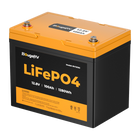
C’est exactement ce que vous obtenez avec la batterie BougeRV 100 Ah LiFePO₄ ; une batterie au lithium d’une capacité nominale de 100 Ah, offrant une puissance fiable et une excellente efficacité pour un large éventail d’applications.
Pourquoi les propriétaires de VR et les vanlifers adorent les batteries LiFePO₄ de 100 Ah
-
Légère et compacte : Plus facile à transporter et à installer que les batteries au plomb-acide.
-
Longue durée de vie : Dure des milliers de cycles de charge, réduisant les coûts de remplacement au fil du temps.
-
Capacité utilisable plus élevée : Utilisez en toute sécurité une plus grande partie de la capacité de la batterie sans l’endommager.
-
Tension stable : Maintient une tension stable pendant la décharge, assurant un fonctionnement efficace des appareils comme les réfrigérateurs ou les appareils électroniques.
Une batterie LiFePO₄ de 100 Ah est souvent un excellent point de départ pour les installations hors réseau de fin de semaine. Pour une utilisation plus intensive, vous pouvez connecter plusieurs batteries de 100 Ah en parallèle pour augmenter la capacité.
Combien de temps une batterie au lithium de 100 Ah fera-t-elle fonctionner mes appareils ?
Pour estimer l’autonomie, utilisez cette formule :
Autonomie (heures) ≈ Wh de la batterie ÷ Puissance de l’appareil (W)
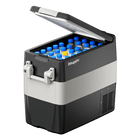
Par exemple, si vous utilisez un réfrigérateur BougeRV Rocky 55QT 12V (60 W) avec une batterie LiFePO₄ de 100 Ah :
-
Autonomie ≈ 1 280 Wh ÷ 60 W ≈ 21,3 heures
Cette estimation suppose des conditions idéales, de sorte que l’autonomie réelle peut varier légèrement.
Qu’est-ce qui affecte la cote Ah en pratique ?
Bien que la cote Ah d’une batterie soit mesurée dans des conditions contrôlées, des facteurs réels peuvent avoir un impact sur ses performances :
-
Taux de décharge (taux C) : Une décharge plus rapide réduit la capacité utilisable. Par exemple, une batterie de 100 Ah déchargée à 1C (100 ampères) fonctionne différemment de celle à C/10 (10 ampères).
-
Profondeur de décharge (DoD) : Les batteries au plomb-acide ne doivent pas être complètement déchargées, tandis que les batteries LiFePO₄ peuvent supporter des décharges plus profondes sans dommage.
-
Température : Le temps froid réduit la capacité, tandis que les températures élevées peuvent accélérer le vieillissement.
-
Âge et cycles : Au fil du temps, les batteries perdent de leur capacité à mesure qu’elles vieillissent et passent par des cycles de charge.
Une batterie Ah plus élevée est-elle meilleure ?
La réponse dépend de vos besoins.
Avantages des batteries Ah plus élevées :
-
Autonomie plus longue pour la même charge.
-
Possibilité d’alimenter des appareils à plus forte puissance plus longtemps.
-
Une plus grande capacité tampon, ce qui peut améliorer la durée de vie de la batterie si vous évitez les décharges profondes.
Inconvénients des batteries Ah plus élevées :
-
Coût, poids et taille plus élevés.
-
Ah n’affecte pas la tension — une batterie Ah plus élevée peut ne pas fonctionner pour les appareils nécessitant des niveaux de tension différents.

En bref, choisissez une batterie avec une cote Ah qui correspond à vos besoins énergétiques, aux contraintes de poids/espace et aux capacités de charge.
Entretien, sécurité et conseils finaux
-
Faites correspondre les composants : Assurez-vous que votre chargeur, votre onduleur et votre batterie sont compatibles.
-
Évitez de mélanger les batteries : Ne mettez pas en parallèle des chimies différentes (par exemple, LiFePO₄ avec du plomb-acide).
-
Consultez la fiche technique : Recherchez des détails comme le courant de décharge, la charge recommandée et la garantie.
Dernières réflexions
Considérez Ah comme une seule pièce du puzzle lors du choix d’une batterie. Vous devrez également tenir compte de la tension, de la chimie, du poids, de la taille, de la durée de vie et du coût. Pour de nombreuses configurations de VR et solaires, une batterie LiFePO₄ de 100 Ah offre un excellent équilibre entre capacité, longévité et portabilité. Mais dimensionnez toujours votre batterie en fonction de vos besoins énergétiques réels et de votre configuration de charge pour obtenir les meilleurs résultats.


