 Passer au contenu






































Avez-vous vraiment besoin d'une climatisation portable pour le camping d'été ?

Le camping en été promet des nuits étoilées, des feux crépitants et des aventures inoubliables. Mais lorsque les températures grimpent au-delà de 25, 30, voire 35 degrés Celsius — comme c'est de plus en plus souvent le cas aux États-Unis, au Canada et dans certaines régions d'Europe —, le romantisme peut vite se transformer en une épreuve moite et sans sommeil. De nombreux campeurs se demandent : « Ai-je vraiment besoin d'un climatiseur portable pour le camping ? » Ou une planification intelligente et des astuces traditionnelles peuvent-elles suffire à rendre les choses supportables ?
Ce guide examine la question en toute honnêteté. Nous aborderons les réalités du camping par temps chaud, pèserons les avantages et les inconvénients des climatiseurs portables, répondrons aux préoccupations courantes des campeurs sous tente et en voiture, et présenterons des solutions pratiques adaptées aux modes de vie de plein air.
Pourquoi la chaleur du camping d'été est un problème croissant
Les régimes climatiques ont changé. Les vagues de chaleur sont plus fréquentes et plus intenses. Dans le sud-ouest ou le Midwest américain, les maximums diurnes dépassent souvent 35 °C (95 °F), tandis que les nuits restent moites. Dans le sud de l'Europe – pensez à l'Espagne, l'Italie ou la Grèce –, les campeurs sont confrontés à des défis similaires pendant la haute saison. Même dans des endroits traditionnellement plus frais comme le Royaume-Uni, le Pacifique Nord-Ouest ou les contreforts des Alpes, des épisodes de chaleur inattendus peuvent gâcher le sommeil.
Les plaintes courantes des campeurs incluent :
-
Des nuits agitées entraînant de la fatigue le lendemain.
-
Des difficultés à se rafraîchir après des randonnées ou des activités.
-
Des inquiétudes concernant l'épuisement dû à la chaleur, en particulier pour les familles, les personnes âgées ou les animaux de compagnie.
-
Une humidité qui rend tout collant et inconfortable.
Sans soulagement, beaucoup écourtent leurs voyages ou évitent complètement le camping en été. C'est là que les climatiseurs portables entrent en jeu.
Moyens traditionnels de rester au frais (et leurs limites)
Avant d'investir dans de l'équipement, essayez ces stratégies éprouvées qui s'inscrivent dans une démarche de camping léger et à faible impact :
-
Choix de l'emplacement : Installez-vous à l'ombre, près des brises, ou au bord de l'eau (mais attention aux insectes). Évitez les pentes exposées au sud qui chauffent au soleil de l'après-midi.
-
Choix et installation de la tente : Utilisez une tente bien ventilée avec des panneaux en filet. Retirez le double-toit les nuits claires pour une circulation d'air maximale. Les bâches ou auvents réfléchissants bloquent le soleil direct.
-
Moment et habitudes : Campez en intersaison si possible. Dormez avec des draps légers ou des tapis rafraîchissants. Restez hydraté, mangez des repas légers et évitez de cuisiner à l'intérieur de la tente pendant les heures les plus chaudes.
-
Refroidissement passif : Les ventilateurs solaires ou à piles, les linges humides ou le fait de surélever votre matelas de couchage peuvent aider.
Ces solutions fonctionnent bien pour une chaleur modérée ou des courts séjours. Mais sous une chaleur soutenue de plus de 29 °C (85 °F) avec une humidité élevée, elles sont souvent insuffisantes, surtout dans les petites tentes qui retiennent la chaleur corporelle et l'humidité. C'est alors que les campeurs commencent à chercher des options de climatisation portable pour le camping.
L'argument en faveur d'un climatiseur portable : des avantages réels pour les campeurs
Un appareil portable dédié peut transformer une tente ou un véhicule étouffant en une oasis de confort. Les principaux avantages sont les suivants :
-
Meilleur sommeil et meilleure récupération : Abaisser la température de 8 à 11 °C à l'intérieur de votre abri fait une énorme différence pour le repos.
-
Santé et confort : Réduit les risques de problèmes liés à la chaleur. Idéal pour les familles, les personnes ayant des problèmes de santé ou les animaux de compagnie.
-
Utilisation prolongée : Profitez du camping d'été dans les régions plus chaudes ou pendant les vagues de chaleur sans souffrir.
-
Polyvalence : De nombreux modèles fonctionnent dans les tentes, les voitures, les fourgonnettes, les véhicules récréatifs ou les petites cabanes.
Des tests réels montrent que les unités de compresseurs compactes peuvent rafraîchir efficacement une petite tente, surtout lorsqu'elles sont associées à une ventilation appropriée.
Répondre aux préoccupations courantes : Est-ce pratique pour le camping ?
Les utilisateurs ciblés — guerriers du week-end, van-lifers, campeurs en famille et aventuriers du tout-terrain — soulèvent des points valides :
1. Exigences en matière d'alimentation
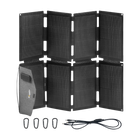
La plupart des vrais climatiseurs portables ont besoin d'une source fiable de 110-120V. Les branchements de camping fonctionnent très bien. Pour une utilisation hors réseau, associez-le à une station d'alimentation de qualité et à des panneaux solaires. Les modèles plus récents et plus efficaces consomment environ 400W, ce qui les rend réalisables avec des stations d'alimentation portables (vérifiez attentivement les puissances de sortie continues).
2. Poids et portabilité
Les unités domestiques traditionnelles sont trop lourdes. Recherchez des designs compacts de moins de 16 kg avec des poignées intégrées. Ils se rangent facilement dans un coffre de voiture.
3. Bruit
Un fonctionnement silencieux (environ 50-55 dB) est important dans les campings où des heures calmes sont imposées. Les modes de veille aident.
4. Installation et ventilation
Vous devrez évacuer l'air chaud d'échappement à l'extérieur de la tente, par une fenêtre, une porte ou un port dédié. Cela demande un peu de planification, mais ce n'est pas compliqué.
5. Coût
Les options d'entrée de gamme sont abordables. Tenez compte des solutions d'alimentation, mais le gain de confort pour les campeurs fréquents est élevé.
6. Alternatives comme les refroidisseurs évaporatifs
Ceux-ci sont plus légers et consomment moins d'énergie, mais fonctionnent mieux dans les climats secs. Ils ajoutent de l'humidité, ce qui peut aggraver les conditions moites courantes dans l'est des États-Unis ou les côtes européennes.
Globalement, si vous campez dans des régions chaudes plus de quelques fois par saison, l'investissement est souvent rentable en termes de plaisir et de durée de voyage.
Pleins feux sur les meilleures options de climatisation portable pour le camping
Lors de l'évaluation des climatiseurs portables pour le camping, privilégiez un indice BTU adapté aux petits espaces (environ 3 500 BTU pour les tentes/voitures), l'efficacité et la durabilité.

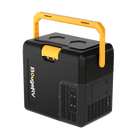
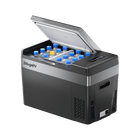
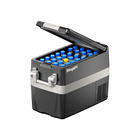
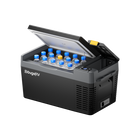
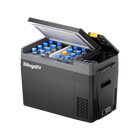
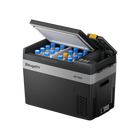
Un choix remarquable est le climatiseur portable BougeRV 3500 BTU. Conçu spécifiquement pour une utilisation en extérieur, il offre un puissant refroidissement, faisant chuter les températures jusqu'à 10 °C en 15 minutes en mode fusée. Sa taille compacte, sa poignée intégrée et son indice d'étanchéité IPX5 le rendent idéal pour les tentes, le camping en voiture, les VR et les fourgonnettes. Avec cinq modes intelligents (y compris veille et sec), un contrôle via application et un fonctionnement silencieux de 55 dB, il répond à de nombreux problèmes des campeurs. Il fonctionne efficacement avec le réfrigérant R290 et s'associe bien avec les stations d'alimentation.

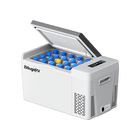
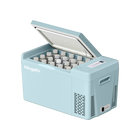
Pour des aventures encore plus légères, découvrez le climatiseur portable BougeRV PC35 Pro 3500 BTU. Pesant seulement 10 kg (33 % plus léger que le modèle standard), il est doté d'un compresseur à onduleur avancé pour une performance plus silencieuse de 50 dB, une meilleure efficacité et des températures stables. Parfait pour les installations minimalistes ou les déplacements fréquents entre les cabines de camion, les petites tentes ou les zones pour animaux de compagnie. Les deux modèles mettent l'accent sur la portabilité sans sacrifier la puissance de refroidissement réelle du compresseur.
Les utilisateurs les plébiscitent pour leur facilité d'installation, leur efficacité de refroidissement dans des conditions de camping réelles et leur fiabilité lors des week-ends chauds.
Quand vous pourriez vous passer d'un climatiseur portable
Tout le monde n'en a pas besoin. Les campeurs solitaires pour de courts séjours, ceux qui campent dans des climats plus frais, ou les campeurs occasionnels soucieux de leur budget peuvent souvent s'en sortir avec des ventilateurs, un choix stratégique d'emplacement et un bon timing. Les sites de glamping avec installations ou les VR avec unités intégrées sont d'autres alternatives.
Conseils pratiques pour utiliser un climatiseur portable en camping
-
Testez d'abord votre installation à la maison.
-
Assurez une bonne ventilation pour éviter l'accumulation de condensation.
-
Utilisez-le pendant les heures les plus chaudes et passez en mode ventilateur la nuit si nécessaire.
-
Surveillez la consommation d'énergie et ayez des plans de secours.
-
Combinez avec les méthodes traditionnelles pour de meilleurs résultats.
Verdict final : en avez-vous vraiment besoin ?
Cela dépend de votre style. Pour de nombreux campeurs modernes confrontés à des étés plus chauds, un climatiseur portable pour le camping prolonge la saison et améliore la qualité de vie en extérieur. Des modèles comme les options Bougerv le rendent accessible sans encombrement excessif ni complexité.
Si les nuits moites ont déjà écourté votre voyage, cela vaut la peine d'y réfléchir. Commencez par évaluer vos destinations typiques, la taille de votre groupe et l'accès à l'électricité. La bonne unité pourrait transformer le « survivre » au camping d'été en une véritable réussite.
Prêt à améliorer votre équipement ? Explorez des solutions portables fiables conçues pour les aventures estivales et restez au frais lors de votre prochain voyage.


