 Passer au contenu

































12V Diesel Heater: How Much Power Does It Really Use?

A diesel heater uses diesel fuel to produce heat, but it still needs electricity to start, ignite, and circulate warm air. If you're planning to use one in a camper van, RV, tent, or off-grid setup, understanding its electrical requirements is essential.
So, how much power does a 12V diesel heater use? The answer depends on its operating stage. Startup requires significantly more electricity than normal operation, while continuous power consumption is relatively low.
In this guide, we'll break down diesel heater power consumption, explain how to calculate battery requirements, and help you choose the right portable power station for your camping setup.
How Much Power Does a 12V Diesel Heater Use?
Most 12V diesel heaters use relatively little electricity once they are running. However, they need a higher power supply during startup to heat the glow plug and ignite the diesel fuel. For example, the BougeRV Portable Diesel Outdoor Heater has the following electrical specifications:
| Specification | Power Requirement |
|---|---|
| Working Voltage | 12V |
| Starting Power | 150W |
| Operating Power | 10–60W |
| Working Current | 5–6A |
| Ignition Current | 12A |
These figures show why it's important to consider both startup and continuous power requirements when choosing a battery.
Startup Power: Up to 150W
When you turn on a diesel heater, its glow plug needs to heat up enough to ignite the diesel fuel. This process requires a temporary burst of electricity. For the BougeRV 12V diesel heater, the starting power is 150W. This higher power demand only occurs during the startup process, rather than throughout the entire heating session. Once combustion is established, the glow plug no longer needs the same level of power.
Ignition Current: 12A
The ignition stage also involves a higher current demand. BougeRV specifies a working current of 5–6A and an ignition current of 12A. At 12V, 12A represents approximately 144W, which is consistent with the heater's 150W starting power specification. This is why a battery or power station must support sufficient peak output, not just have a large battery capacity.
Running Power: 10–60W
After ignition, the diesel heater enters its normal operating mode. The electrical system powers components such as the combustion fan, circulation fan, fuel pump, and control unit. Depending on the heating level and operating conditions, the BougeRV diesel heater consumes approximately 10–60W during operation.
Compared with electric space heaters, which may draw hundreds or even thousands of watts, this is relatively low. However, remember that the heater continues to burn diesel fuel to generate heat. Its electrical consumption only covers the components needed to operate the system.

How Many Watts Does a Diesel Heater Use Per Hour?
To estimate how much electricity a diesel heater consumes, you can use a simple formula:
Energy Consumption (Wh) = Power (W) × Operating Time (Hours)
Based on the BougeRV heater's 10–60W operating range, here are some estimated energy requirements:
| Operating Time | At 10W | At 30W | At 60W |
|---|---|---|---|
| 1 Hour | 10Wh | 30Wh | 60Wh |
| 4 Hours | 40Wh | 120Wh | 240Wh |
| 8 Hours | 80Wh | 240Wh | 480Wh |
| 10 Hours | 100Wh | 300Wh | 600Wh |
These figures illustrate the potential energy consumption at different power levels. Actual consumption depends on the heater's operating setting and conditions. For example, if your diesel heater averages 30W over an eight-hour night, it will consume approximately 240Wh of electricity.
So, how much power does a diesel heater use overnight? For a heater operating within a 10–60W range, an eight-hour session could require approximately 80–480Wh, excluding startup and other power losses.
Why Does a Diesel Heater Use More Power at Startup?
It's normal for a 12-volt diesel heater to draw more power during startup than during continuous operation. The main reason is the glow plug. When the heater starts, the glow plug needs to reach a high temperature to ignite the incoming diesel fuel. This requires a relatively large amount of electrical energy in a short period.
Once the fuel ignites and combustion becomes stable, the glow plug's high-power heating phase ends. The fan, fuel pump, and control system continue operating, but their combined electrical demand is much lower. A similar increase in power demand may occur during the shutdown process, when the heater runs its cooling cycle.
Practical tip: Always check the startup power rating of your diesel heater before connecting it to a power station. A power station with enough battery capacity may still fail to start the heater if its output port cannot handle the required peak power.
What Size Battery Do You Need for a 12V Diesel Heater?
Choosing the right battery depends on how long you want to run your heater and its average power consumption. A useful starting point is:
Required Battery Capacity (Wh) = Average Power (W) × Runtime (Hours)
For example:
- 4 hours at 30W: 120Wh
- 8 hours at 30W: 240Wh
- 10 hours at 30W: 300Wh
You should also leave extra capacity for startup, shutdown, conversion losses, and other connected devices. If you're using a 12V battery, you can estimate its capacity in amp-hours (Ah) with this formula:
Battery Capacity (Ah) = Energy (Wh) ÷ Voltage (V)
For example, 240Wh ÷ 12V = 20Ah.
This is a theoretical calculation. The usable capacity of a real battery depends on its chemistry, discharge limits, temperature, and system efficiency. For overnight camping, choosing a battery with more capacity than your estimated consumption is generally a better approach.
Can a Portable Power Station Run a 12V Diesel Heater?

Yes. A compatible portable power station can provide convenient electricity for a 12V diesel heater, especially when camping, traveling in an RV, or staying off-grid.
However, there are two important specifications to check:
- Battery capacity (Wh): Determines approximately how long the heater can run.
- Output power (W): Determines whether the power station can handle the heater's startup demand.
For example, BougeRV offers several compact portable power solutions worth considering.
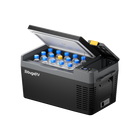
BougeRV JuiceGo 240Wh Portable Power Station
The BougeRV JuiceGo 240Wh Portable Power Station is a compact option for portable power needs. Its 240Wh capacity provides a useful reference point for estimating diesel heater runtime. At a constant 30W load, 240Wh represents approximately eight hours of theoretical operation before accounting for power losses and startup consumption.
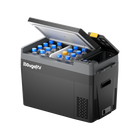
BougeRV 266Wh Portable Battery
Another option is the BougeRV 266Wh Portable Power Station. With 266Wh of battery capacity, it offers additional stored energy compared with a 240Wh unit. At a constant 30W load, the theoretical runtime is approximately 8.9 hours. Before connecting any power station, verify that the specific output port supports the diesel heater's 12V input and 150W startup requirement. Battery capacity alone does not guarantee compatibility.
How to Reduce Diesel Heater Power Consumption
If you want your battery to last longer during camping trips, a few practical habits can help:
- Insulate your space: Better insulation helps maintain indoor temperatures and may reduce the need for higher heating settings.
- Choose an appropriate heating level: Avoid running the heater at maximum output when lower settings are sufficient.
- Use a suitable battery: Select a battery with enough usable capacity and adequate output for startup.
- Avoid unnecessary restarts: Frequent shutdowns and restarts can create additional ignition-related power demands.
- Monitor battery levels: Check your remaining capacity regularly, especially during overnight use.
Proper installation and ventilation are equally important. Always follow the manufacturer's instructions, keep exhaust gases outside the occupied space, and install and operate the heater with appropriate carbon monoxide protection.
Is the New BougeRV PRO Diesel Heater Worth Considering?

If you're looking for a portable heating solution for winter camping, RV travel, or outdoor adventures, BougeRV also offers its newly introduced PRO Outdoor Portable Diesel Heater.
The PRO version provides another option to explore when comparing portable diesel heating solutions. Before choosing a model, review its published electrical specifications and compatibility requirements to make sure your battery or power station can support its startup and continuous operation. Read here to find more winter camping essentials.
Final Thoughts
So, how much power does a 12V diesel heater really use? For the BougeRV Portable Diesel Outdoor Heater, the answer is 150W during startup and approximately 10–60W during normal operation. This relatively low continuous power requirement makes it a practical heating option for camping, RV travel, and off-grid adventures.
The key is choosing a battery or portable power station that can handle both the initial ignition demand and your expected runtime. With the right power setup, you can enjoy reliable warmth without needing a large electrical system. Enjoy Black Friday savings! Use code "SEOBF" at checkout for an extra 7% OFF!
FAQs
1. How many watts does a 12V diesel heater use?
A 12V diesel heater typically uses 150W during startup and 10–60W during normal operation. The BougeRV Portable Diesel Outdoor Heater has these power requirements, with an ignition current of up to 12A.
2. How much power does a diesel heater use overnight?
At 10–60W, a diesel heater may consume approximately 80–480Wh over eight hours. Actual consumption depends on the operating setting and startup energy.
3. Can a 12V diesel heater run on a portable power station?
Yes, if the power station provides compatible 12V output and supports at least 150W startup power. The BougeRV JuiceGo 240Wh is compatible with the BougeRV diesel heater.
4. How many amp-hours does a diesel heater need?
At an average power draw of 30W, a 12V diesel heater uses approximately 2.5A, or 20Ah over eight hours. Allow extra capacity for startup and power losses.
5. Why does a diesel heater need more power to start?
The glow plug requires extra electricity to heat up and ignite the diesel fuel. Once combustion is established, power consumption drops significantly.


