 Skip to content

































Winter Camping Essentials: How to Stay Warm, Powered, and Comfortable

Winter camping offers a different kind of outdoor experience. Snow-covered landscapes, quiet campsites, and crisp morning air make cold-weather adventures appealing for campers, van lifers, RV travelers, and overlanders. But when temperatures drop, staying comfortable takes more planning than it does in warmer months.
The right winter camping essentials can make a significant difference. Beyond warm clothing and a suitable sleeping bag, you'll need to think about heating, food storage, hot water, reliable power, and campsite lighting. Preparing for these needs before you leave helps you spend less time dealing with the cold and more time enjoying the outdoors. Whether you're planning a weekend in a winter campground or a longer off-grid trip, this guide covers the essential winter camping gear and practical tips to help you stay warm, powered, and comfortable.
1. Prepare for Cold Weather Before Your Trip
Good winter camping starts before you arrive at the campsite. Cold temperatures can affect your sleep, equipment, food supplies, and power consumption, so preparation is essential. Start by checking the forecast for daytime temperatures, overnight lows, wind, and potential snowfall. Conditions can change quickly, particularly in mountainous areas. Choose a campsite that suits your experience level and make sure you understand its winter access, facilities, and weather-related restrictions.
Your basic winter camping checklist should include:
- Insulated clothing: Wear moisture-wicking base layers, insulating mid-layers, and a weather-resistant outer layer. Bring extra socks, gloves, and a warm hat.
- A cold-weather sleeping system: Choose a sleeping bag rated for the expected conditions and use an insulated sleeping pad to reduce heat loss to the ground.
- Weather-appropriate shelter: Use a tent or vehicle setup suitable for the expected wind, snow, and temperatures. Secure the shelter properly and manage condensation.
- Emergency supplies: Pack a first-aid kit, navigation tools, backup lighting, extra food, and a way to contact help.
- A heating and power plan: Calculate how much fuel and electricity your equipment will need, and bring suitable backup supplies.
2. Choose the Right Heating Setup for Winter Camping
Staying warm is one of the biggest challenges of cold-weather camping. Insulated clothing and a good sleeping system are essential, but additional heating can make a substantial difference when you spend extended periods in a tent, van, RV, or other suitable shelter. The best heating setup depends on your camping style, shelter size, available power, and overnight temperatures.
Use a Portable Diesel Heater for Space Heating
 For campers who need to warm a suitable enclosed space, a portable diesel heater can be a practical option. Unlike a heated blanket, which warms your body directly, a space heater is designed to provide warmth to the surrounding area.
The BougeRV Portable Diesel Outdoor Heater delivers 5 kW of heating output and operates on a 12V power supply. Its stated fuel consumption ranges from 0.18 to 0.53 L per hour, depending on operating conditions. It also includes overheat, voltage, and short-circuit protection.
This type of heater may suit winter car camping, van life, overlanding, and other compatible outdoor setups where reliable heat is important. Before choosing a heater, consider the space you need to warm, the expected temperature, fuel requirements, and how you'll supply power throughout the trip.
Safety should always come first. Follow the manufacturer's instructions for installation and operation. Combustion heaters must be positioned and vented correctly, with exhaust routed safely outside and adequate clearance from combustible materials. Never operate a fuel-burning heater inside a closed tent or vehicle unless the specific equipment and installation are expressly designed and approved for that use. Maintain appropriate ventilation and use carbon monoxide alarms where applicable.
Add Personal Warmth With a 12V Electric Blanket

Heating an entire space isn't always necessary. If you're relaxing in your camper, sitting outside during a chilly evening, or adding warmth to your personal sleeping setup, a 12V electric blanket offers a more targeted approach. The BougeRV 12V Electric Blanket is designed for use with compatible 12V power sources, making it a useful addition to vehicle-based camping and road trips.
Before using an electric blanket, check its instructions for appropriate placement and operation. Keep electrical connections dry, avoid damaged cables, and use only compatible power sources. If you're relying on a vehicle battery or portable power station, account for the blanket's electricity consumption so you don't compromise the power needed to start your vehicle or operate other essential equipment. Combining proper insulation with suitable space heating and personal warmth can help you create a more comfortable winter camping setup.
3. Plan for Hot Water and Everyday Cleaning

Cold weather makes everyday tasks feel more demanding. Washing dishes, cleaning muddy equipment, and rinsing off after an outdoor activity can be uncomfortable when the only available water is icy. A portable water heater can make these routines easier, particularly for campers who travel in vans, RVs, or self-contained outdoor setups.
The BougeRV Portable Propane Water Heater provides hot water for outdoor tasks such as washing, cleaning, and showering. Its compact format makes it worth considering when you want more convenience without depending on campground facilities. Before your trip, plan where you'll collect and store water, how you'll connect the heater, and how you'll manage wastewater. In freezing conditions, protect water containers, hoses, and connections from ice where possible. Drain equipment according to its instructions when it's not in use, especially before temperatures fall below freezing.
Because this equipment uses propane, operate it only in accordance with the manufacturer's instructions, with appropriate ventilation and safe clearance from flammable materials. Never use an outdoor propane water heater in an enclosed tent, vehicle, or other unventilated space. A little planning around water can make winter camping more comfortable while helping you keep your campsite clean and organized.
4. Keep Food Fresh and Prevent Unwanted Freezing
Food storage is an often-overlooked part of winter camping preparation. In warm weather, campers mainly worry about keeping food cold enough. In winter, freezing temperatures can create the opposite problem. Fresh produce can freeze, drinks can turn to ice, and some foods may lose their preferred texture after repeated freezing and thawing. Food storage also becomes more complicated when you're camping away from electrical hookups.
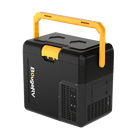
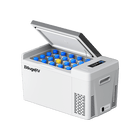
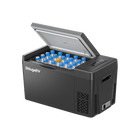
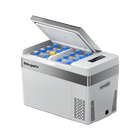
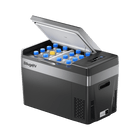
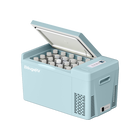
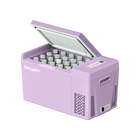
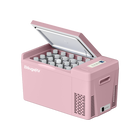
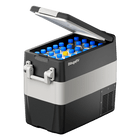
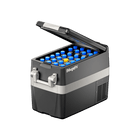
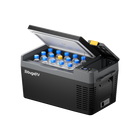
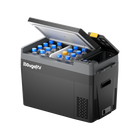
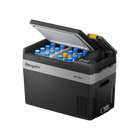
A portable refrigerator with adjustable temperature control can help you manage food storage more consistently than relying on outdoor temperatures alone. The BougeRV 12V Portable Battery-Powered Fridge is an option for campers who want portable food storage while traveling or camping off-grid. Before departure, check the unit's operating instructions, temperature range, power requirements, and battery runtime to make sure it fits your planned trip. (Use the limited-time discount code "SEOBF" at checkout to enjoy an additional 6% off on the BougeRV Canada products.)
To improve your winter food-storage setup:
- Set the temperature according to the food: Follow recommended storage temperatures rather than assuming the cold outdoor air will keep everything safe.
- Avoid leaving food exposed: Use sealed containers and organize supplies so frequently used items are easy to reach.
- Protect the fridge from extreme conditions: Follow the manufacturer's guidance on operating temperatures, placement, and ventilation.
- Plan for power interruptions: Estimate energy use and have a backup plan for longer trips.
- Separate raw and ready-to-eat foods: Use sealed packaging and maintain appropriate food-handling practices.
Remember that cold weather alone doesn't guarantee safe food storage. Keep perishable foods at appropriate temperatures and follow established food-safety guidance. For more tips, see How to Keep Food from Freezing in Winter.
5. Build a Reliable Off-Grid Power Plan
Power planning becomes especially important in winter. Shorter daylight hours, cloudy weather, and low temperatures can make it harder to generate and store enough electricity for your camping equipment. If you're using a portable fridge, electric blanket, lights, phones, or other devices, calculate your expected daily energy consumption before leaving home.
Start by listing every electrical device you plan to use. Check its wattage and estimate how many hours it will run each day. For example, a device that draws 40 watts and runs for five hours uses approximately 200 watt-hours of energy. Repeat this calculation for each device, then add a reasonable reserve for changing weather and unexpected needs.
Use Portable Solar Panels When Conditions Allow

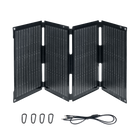
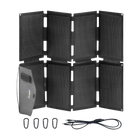
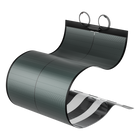
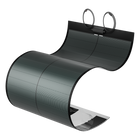
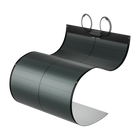
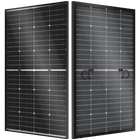
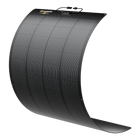
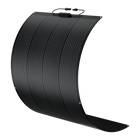
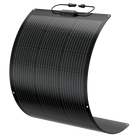
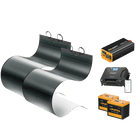
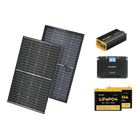
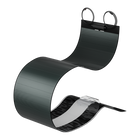
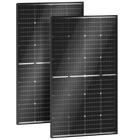
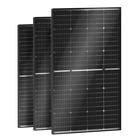
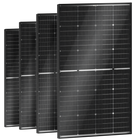
Portable solar panels can help replenish a compatible power station or battery system when sunlight is available. They're particularly useful for campers who want to reduce their reliance on campground hookups during longer trips. Explore the BougeRV Portable Solar Panels collection to find an option that suits your setup.
When planning a winter solar system, keep these factors in mind:
- Daylight hours: Winter days are shorter, leaving less time to generate electricity.
- Cloud cover: Overcast weather can significantly reduce solar output.
- Panel positioning: Adjust the panel's orientation to make the most of available sunlight, following the manufacturer's recommendations.
- Snow and shading: Keep panels clear of snow when safe to do so, and avoid shadows from trees, vehicles, or nearby terrain.
- Battery capacity: Store enough energy to cover essential devices when solar generation is limited.
Solar panels are a useful part of an off-grid power strategy, but they shouldn't be treated as a guaranteed source of electricity in winter. For trips with limited sunlight, consider a sufficiently sized battery and an alternative charging method. Most importantly, match your power system to your actual needs. Heating, refrigeration, lighting, and communication equipment may all compete for the same stored energy, so prioritize essential devices first.
6. Improve Campsite Visibility After Dark

Winter camping often means setting up camp in fading daylight and moving around in darkness. A reliable light source helps you prepare meals, find equipment, check tent lines, and navigate your campsite more easily.
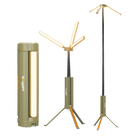
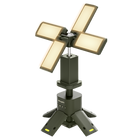
A portable camping lantern is a practical addition to your winter camping gear. The BougeRV T1 Portable Telescopic Camping Lantern offers a portable lighting option for campsite activities and nighttime routines. Before heading out, charge or test your lights and pack a backup flashlight or headlamp. Position lanterns where they illuminate useful areas without creating glare, and keep electrical equipment protected from moisture according to its instructions.
It's also helpful to organize your campsite so that frequently used items remain easy to find. Store cooking supplies, warm clothing, lighting, and emergency equipment in designated places instead of searching through bags in the cold. Good lighting doesn't just improve convenience. It can also help reduce trips, slips, and other avoidable mishaps when visibility is limited.
7. Winter Camping Checklist: What to Pack
A checklist makes it easier to prepare for changing conditions without bringing unnecessary equipment. Adjust the items below according to your destination, trip length, and camping style.
Shelter and Sleeping
- Four-season or otherwise weather-appropriate shelter
- Cold-weather sleeping bag
- Insulated sleeping pad
- Extra blankets and dry sleepwear
- Ground protection and appropriate snow or wind equipment
Clothing and Personal Comfort
- Thermal base layers
- Insulating mid-layers and waterproof outerwear
- Warm hat, gloves, and extra socks
- Waterproof footwear
- Hand warmers, if appropriate for your trip
Heating and Power
- Suitable heating equipment and required accessories
- Fuel stored and transported according to safety instructions
- Compatible 12V electric blanket, if needed
- Power station or auxiliary battery sized for your needs
- Portable solar panels or another charging option
- Charging cables and adapters
Food, Water, and Cooking
- Meals and snacks suitable for cold-weather travel
- Portable fridge or insulated food-storage solution
- Drinking water and water containers
- Outdoor water-heating equipment, if needed
- Cooking equipment and fuel appropriate for outdoor use
- Dishwashing supplies and waste bags
Lighting and Safety
- Camping lantern and headlamp
- Spare batteries or charging supplies
- First-aid kit
- Navigation tools and emergency communication device
- Carbon monoxide alarm when applicable to your setup
- Weather forecast and emergency plan
Before departure, test your equipment at home. Confirm that your power supply works with your devices, check the condition of cables and fuel connections, and learn how to operate your heater and water heater safely.
Make Your Next Winter Camping Trip More Comfortable
Winter camping doesn't have to mean sacrificing every convenience. With a suitable sleeping system, dependable heating, practical food storage, a realistic power plan, and reliable lighting, you can prepare for cold-weather adventures with greater confidence.
The most effective winter camping setup is the one that matches your destination, equipment, and energy needs. Start with the essentials, test your gear before departure, and leave room in your plan for changing weather. Explore BougeRV to find equipment for staying warm, managing power, and making the most of your next cold-weather adventure.


