 Skip to content





















































Can You Transport a Portable Fridge on Its Side?

When packing for a road trip, camping adventure, or RV journey, space can be limited. You might wonder: Can you put a portable refrigerator on its side to make it fit in your vehicle?
The short answer is: It's best to keep a portable refrigerator upright during transportation and operation. Laying it on its side may affect the compressor and cooling system. If your fridge has been transported horizontally or tilted, let it stand upright before turning it on. Always check the manufacturer's instructions for the recommended waiting time, as it can vary by model. Here's what you should know before moving or positioning your portable fridge.
Can You Transport a Portable Fridge on Its Side?
Ideally, no. Most compressor-based portable refrigerators are designed to remain upright during transportation.
Inside a compressor refrigerator, lubricating oil helps protect the compressor. When you lay the unit on its side, the oil may shift from its normal position and enter parts of the cooling system where it shouldn't be. Starting the compressor before the oil has settled can potentially affect performance or cause damage.
Laying a portable fridge on its side can also expose it to unnecessary pressure, vibration, or impact during transportation. If your vehicle has enough space, keep the refrigerator upright and secure it to prevent sliding or tipping. If laying it down is unavoidable, first check the user manual to see whether your specific model permits horizontal transportation.
Remember: Transporting a fridge on its side is different from operating it on its side. A portable refrigerator should be placed on a stable, level surface in its recommended operating position.
What Should You Do If Your Portable Fridge Has Been Lying on Its Side?
Don't panic if your portable refrigerator was accidentally transported horizontally. It doesn't automatically mean the unit is damaged.
Follow these steps before using it:
Step 1: Put it upright.
Move the refrigerator to a stable, level surface and return it to its normal upright position.
Step 2: Allow it to rest.
Give the compressor and cooling system time to settle before connecting the power. BougeRV's troubleshooting guidance recommends letting a refrigerator stand upright for 12 hours after it has not been transported upright. However, waiting requirements may differ between models. Always follow the instructions in your specific product manual.
Step 3: Check the refrigerator.
Before use, inspect the power cord, housing, and ventilation openings for visible damage. Make sure the unit has enough space around it for proper airflow.
Step 4: Test the cooling performance.
Once the recommended waiting period has passed, connect the refrigerator to power and check whether it cools normally. If it makes unusual noises, displays an error, or fails to reach the set temperature, turn it off and contact customer support.

Can You Run a Portable Refrigerator on Its Side?
No. A portable compressor refrigerator should not be operated lying on its side. Running it in an incorrect position may interfere with compressor lubrication and normal refrigerant circulation. It can also reduce cooling efficiency and potentially cause malfunctions.
For reliable operation:
- Place the refrigerator on a firm, level surface.
- Keep it in its intended upright position.
- Avoid excessive tilting while driving or using it.
- Leave enough clearance around ventilation openings.
- Keep it away from direct heat sources whenever possible.
These precautions help maintain consistent cooling and protect the refrigerator during road trips, camping, and everyday use.
How to Transport a Mini Fridge Safely
Whether you're loading a portable fridge into an SUV, truck, camper van, or RV, a few simple precautions can make transportation safer.
- Keep it upright whenever possible. Choose a position that allows the refrigerator to remain level throughout the journey.
- Secure the unit. Use suitable straps or cargo restraints to prevent it from shifting during sudden stops or turns. Avoid placing heavy objects on top of the refrigerator.
- Protect the exterior. Keep the fridge away from sharp tools, loose equipment, and other items that could scratch or damage its housing. BougeRV fridge covers provide an extra layer of protection to help keep your portable refrigerator in better condition during travel and outdoor adventures.
- Allow proper ventilation after installation. Once the refrigerator is in your vehicle, make sure its air vents are not blocked. Adequate airflow helps prevent overheating and supports efficient cooling.
Choose a Portable Refrigerator for Your Next Adventure
A portable refrigerator is a practical addition to road trips, camping trips, RV travel, and outdoor activities. However, choosing the right model is only part of the equation. Proper positioning, transportation, and ventilation also matter.
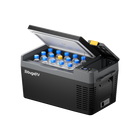
BougeRV offers a range of 12V portable refrigerators designed for different travel and storage needs. Whether you need a compact car fridge for weekend trips or a larger-capacity model for extended camping, you can explore the available options to find one that fits your vehicle and lifestyle.
Browse the BougeRV 12V Refrigerator Collection to compare models and find a portable cooling solution for your next adventure.
Frequently Asked Questions
1. How long should a portable refrigerator sit upright after being transported on its side?
The waiting time depends on the model. We recommend 12 hours for a refrigerator that was not transported upright. Check your specific user manual before powering it on.
2. Can I tilt my portable refrigerator while driving?
It's best to keep it upright and securely positioned while driving. Excessive tilting, sudden movement, and vibration can affect the refrigerator and its cooling system.
3. Will laying a portable refrigerator on its side damage it?
Not necessarily. Brief horizontal transportation does not automatically mean the fridge is damaged. However, it may affect the compressor's lubrication, so allow the unit to rest upright for the recommended period before use.
4. Can I store a portable refrigerator on its side when it's not in use?
It's generally better to store it upright, even when switched off. This helps maintain the recommended position and reduces the risk of accidental damage.


