 Skip to content





















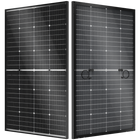














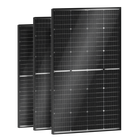
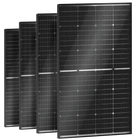


200W vs 400W Solar Panels: Which Size Matches Your Camping Setup?

Camping has evolved. Gone are the days of relying solely on noisy generators or limited battery life for your fridge, lights, and devices. Solar power offers quiet, renewable energy that lets you stay off-grid longer while enjoying nature. But with options like 200W solar panels and 400W solar panels, how do you choose?
Whether you're a weekend warrior packing for a quick getaway in the mountains or a full-time van lifer exploring national parks across the US or Europe, the right solar panel size depends on your power needs, vehicle space, budget, and travel style. This guide breaks it down clearly so you can make an informed decision.
Understanding Your Camping Power Needs
Before comparing panels, calculate what you actually use. A typical weekend camping setup might include:
-
Portable fridge (40-60W, running intermittently)
-
LED lights (5-10W total)
-
Phone and tablet charging (10-20W)
-
Laptop or small fan (50-80W occasionally)
Daily consumption for light use often falls between 300 and 800Wh. For extended trips with more appliances—like a CPAP machine, an inverter for small tools, or a longer fridge runtime—you might need 1,000Wh or more per day.
Peak sun hours matter too. In many parts of the US and Europe, you get 4-6 effective hours of strong sunlight daily, depending on season and weather. Factor in losses from angle, dust, heat, and wiring (typically 20-25%).
Quick Rule of Thumb: Aim for solar input that replaces your daily use plus a buffer. A 200W panel in good conditions might generate 600-1,000Wh daily. A 400W setup can deliver 1,200-1,600Wh or more.
200W Solar Panels: Compact Power for Light Adventures
200W solar panels strike an excellent balance for many campers. They're lightweight, easier to carry, and sufficient for most casual setups.
Pros:
-
Portability: Many models fold into a manageable suitcase size with built-in handles or kickstands. Ideal for hiking in, car camping, or rooftop mounting on smaller vans/RVs.
-
Affordability: Lower upfront cost makes them accessible. Great entry point if you're testing solar.
-
Ease of Use: Faster setup and storage. Less wind resistance when deployed.
-
Efficiency in Real Conditions: Modern panels with advanced cells (like N-type or bifacial tech) perform well even in partial shade or cloudy weather.
Cons:
-
Limited output for heavy loads. You may need to manage usage or add batteries for multi-day trips without sun.
-
Slower charging for larger power stations or battery banks.
These panels suit solo campers, couples, or families on short trips. They can keep a 12V fridge running overnight and recharge devices comfortably with a good battery (e.g., 100-200Ah lithium).
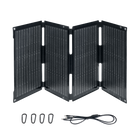
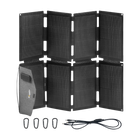
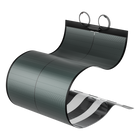
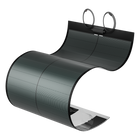
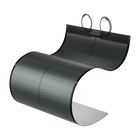
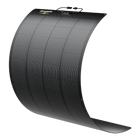
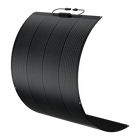
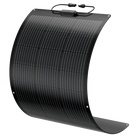
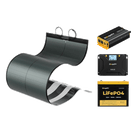
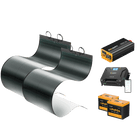
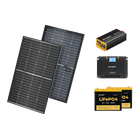
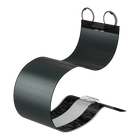
For high-quality options, check out BougeRV's collection of 200W solar panels. Their portable and flexible designs emphasize durability, high efficiency (up to 25% with modern cell tech), and weather resistance—perfect for rugged camping. Browse BougeRV 200W solar panels for camping here.

400W Solar Panels: Serious Power for Extended Off-Grid Living
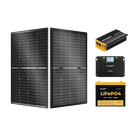
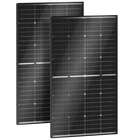
400W solar panels deliver roughly double the output, making them a go-to for those who want freedom without constant monitoring.
Pros:
-
Higher Daily Yield: Quickly charges larger batteries and runs more devices simultaneously. Excellent for powering a fridge full-time, lights, and fans.
-
Fewer Panels Needed: Simpler wiring and setup compared to multiple smaller ones. One large panel can replace two 200W units.
-
Bifacial Advantage: Many capture light from both sides, boosting real-world performance on reflective surfaces like sand or snow.
Cons:
-
Size and Weight: Bulkier and heavier, which can challenge portability and storage in small vehicles. Not ideal for frequent hiking setups.
-
Higher Cost: Bigger investment, though long-term savings on fuel or generator maintenance often offset this.
-
Mounting Considerations: Requires more roof space or a stable ground area.
These shine for van lifers, overlanders, or RVers spending weeks away. A single 400W panel paired with 200-400Ah batteries handles most moderate setups reliably.

Side-by-Side Comparison: 200W vs 400W Solar Panels
|
Feature |
200W Solar Panels |
400W Solar Panels |
|
Best For |
Weekend trips, light use |
Extended adventures, higher loads |
|
Daily Output (est.) |
600-1,000Wh |
1,200-1,600+Wh |
|
Portability |
Excellent, compact |
Good but bulkier |
|
Weight (typical) |
15-25 lbs (foldable) |
30-50+ lbs |
|
Cost |
Lower |
Higher |
|
Setup Ease |
Quick and simple |
Slightly more involved |
|
Fridge Runtime |
Reliable for short periods |
Full-time with buffer |
|
Scalability |
Add more panels easily |
Powerful standalone |
Data based on average real-world conditions with MPPT controllers.
Key Factors for Camping Setups
1. Space and Transport: In Europe, where vans and cars are often smaller, or in the US for truck bed camping, 200W panels win for maneuverability. 400W works better on larger RVs or with dedicated roof mounts.
2. Battery Pairing: Pair with lithium batteries for best results. A 200W panel pairs well with 100-200Ah; 400W handles 300Ah+ comfortably.
3. Weather and Location: Northern climates or forested areas benefit from higher wattage to maximize limited sun. Southern sunny spots make even 200W highly effective.
4. Budget and ROI: Start with 200W if unsure. Many upgrades later. Quality panels from brands like BougeRV offer strong warranties (often 10-25 years).
5. Accessories: Invest in an MPPT charge controller (20-30% more efficient than PWM), extension cables, and a portable power station for versatility.
6. Portability vs. Fixed: Folding/portable 200W or 400W panels suit campers who move often. Rigid versions mount permanently on roofs.
Real Camper Experiences
Many weekend campers report that 200W setups suffice with mindful energy use—running the fridge on solar during the day and conserving at night. Full-timers often prefer 400W+ for convenience, reducing generator reliance during rainy spells or high-demand periods.
Partial shading is a common issue; bifacial or advanced cell designs help mitigate it. Always position panels optimally and consider multiple smaller panels for flexibility.
Making the Choice for Your Setup
-
Choose 200W if: You're new to solar, travel light, or have modest needs. It's forgiving and practical for most European/American car campers.
-
Choose 400W if: You want minimal hassle on longer trips, power multiple high-draw items, or plan to expand your system.
-
Hybrid Approach: Some use a 200W portable for daily top-ups and a roof-mounted 400W for baseline charging.
Whichever you pick, solar transforms camping by enabling true freedom. Start small, learn your habits, and scale up.
Ready to power your next adventure? Explore reliable, high-performance options tailored for campers at BougeRV.


